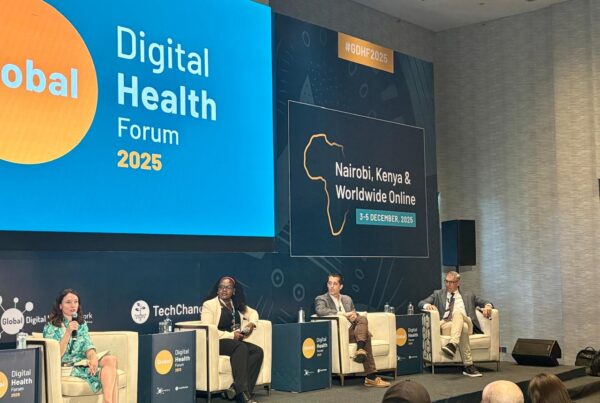
In a rapidly evolving world, advancements in digital health technology are reshaping how we manage health records, verify health credentials, and enhance global mobility. A pivotal initiative driving this transformation is the Global Digital Health Certification Network (GDHCN), spearheaded by the World Health Organization (WHO). Built upon the principles of the European Union Digital COVID Certificate (EU DCC), the GDHCN represents a monumental step toward creating a secure, interoperable digital public infrastructure for verifiable health credentials—essentially “digitizing trust” in health records.
The Core Purpose of the GDHCN
The GDHCN is not just another digital initiative; it serves as a global trust network designed to facilitate the verification of health certificates issued by participating Member States. Its primary objectives include enhancing global health security, facilitating international travel, and improving public health preparedness through a reliable verification method for health documents across borders. Utilizing an open-source platform that incorporates cryptographic technology and established international standards for privacy, the GDHCN allows countries to confirm the authenticity of health certificates while maintaining data sovereignty.
One of its most significant anticipated applications is the digitization of the International Certificate of Vaccination or Prophylaxis (ICVP), commonly known as the digital Yellow Card. This advancement will enable seamless proof of travel vaccinations, aligning with updated International Health Regulations (IHR) and reducing fraud in vaccination documentation.
Continuity of Care Across Borders
The GDHCN also aims to support continuity of care across borders. By facilitating the secure exchange of a patient’s core medical data through initiatives like the International Patient Summary (IPS), healthcare providers can access crucial medical information during emergencies. Moreover, it enables secure verification of digital prescriptions when travelers need medication refills abroad. These functionalities not only enhance patient safety but also streamline care processes, underscoring the importance of interoperability in today’s globalized health landscape.
Strategic Partnerships for Digital Transformation
The partnership between WHO and the European Union is instrumental in advancing this initiative, particularly regarding digital health transformation in Africa. The success of the EU DCC, adopted by over 76 countries during the pandemic, has proven the viability of a large-scale interoperable trust network. An €8 million EU grant announced for 2025–2028 specifically targets expanding the GDHCN in sub-Saharan Africa, aiming to bolster governance and technical foundations for countries to effectively utilize this network. This collaboration aligns with broader goals to strengthen pandemic preparedness and move toward Universal Health Coverage (UHC).
Looking Ahead: Future Insights into Healthtech
As we move forward into an increasingly digitized healthcare environment, several trends are likely to shape the future:
- With systems capable of sharing full health records through standards such as FHIR (Fast Healthcare Interoperability Resources), seamless data exchange will become commonplace.
- Innovations in Artificial Intelligence will enable more accurate diagnostics and personalized treatment plans while optimizing resource allocation.
- The continued growth of telehealth will facilitate remote care access, especially in underserved regions where healthcare resources are scarce.
- As digital records proliferate, robust cybersecurity measures will be paramount to protect sensitive patient information from breaches.
- Digital platforms will increasingly empower individuals by providing tools for managing their health data and improving access to preventive care services.
In conclusion, advancements like the GDHCN mark significant progress towards a more interconnected global health ecosystem that prioritizes security and interoperability. As HTHA works alongside global partners to align with these developments, it underscores an unwavering commitment to building a robust health tech landscape in Africa, ultimately driving towards better health outcomes and enhanced equity across the continent. The future is bright for digital health innovation; with strategic collaboration and focused efforts, we can transform healthcare delivery and ensure that everyone has access to quality care regardless of their location.