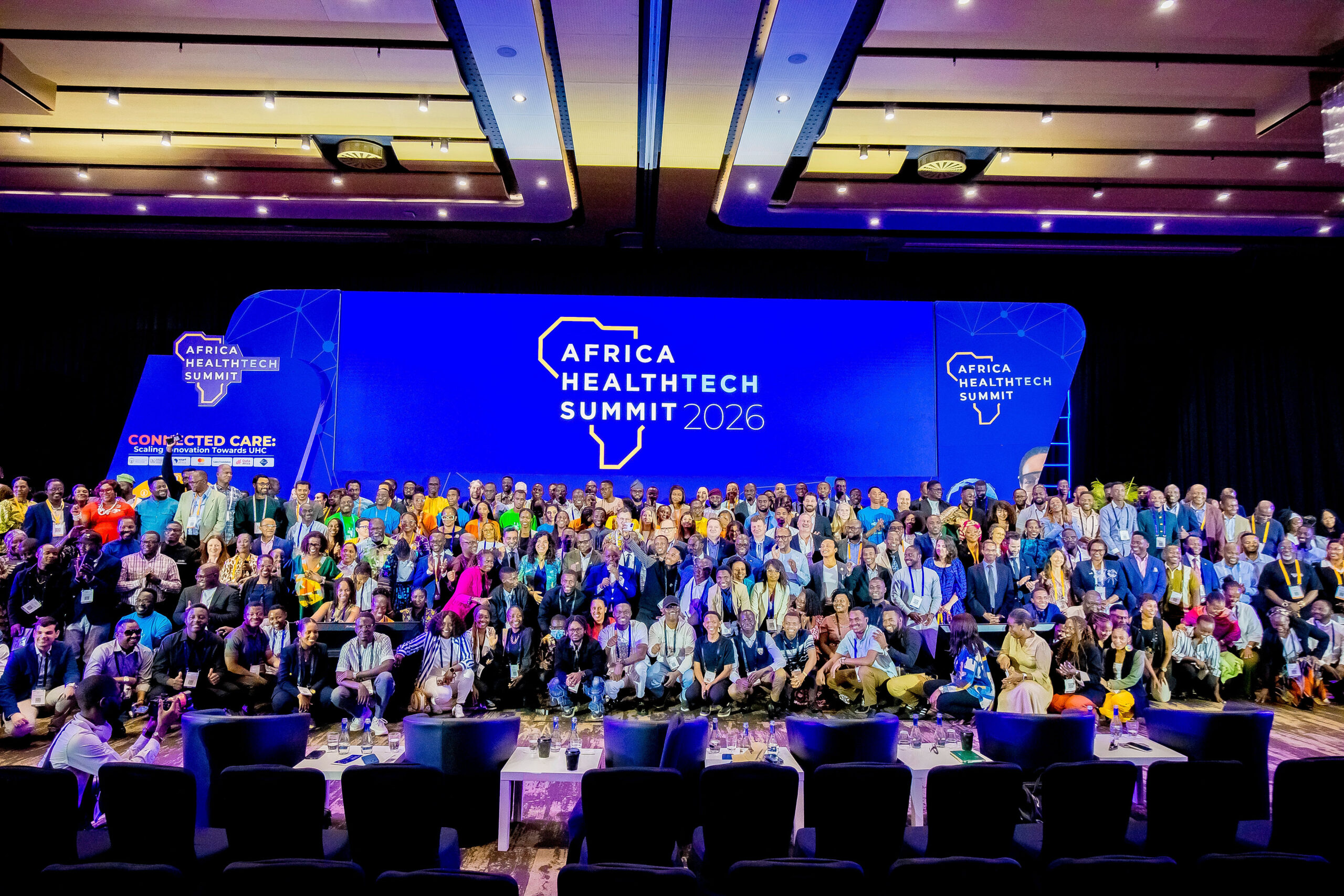
Kigali, Rwanda – October 2025, The heart of Africa’s innovation landscape beat stronger than ever as the Africa HealthTech Summit 2025 (AHTS) recently convened in Kigali. Under the urgent and inspiring theme, “Connected Care: Scaling Innovation Towards Universal Health Coverage (UHC),” the summit was far more than a conference; it was a dynamic command center for the leaders, innovators, and investors committed to revolutionizing healthcare across the continent. This year’s gathering delivered on its promise to accelerate action, cementing Africa’s position as a global leader in health innovation.
A Transformative Gathering: What Happened
The atmosphere at the Kigali Convention Centre was electric, fueled by the energy of ministers, CEOs, developers, and global partners. The main event, focused on scaling innovations in the public sector, was defined by high-stakes policy discussions and a firm pivot from small-scale pilots to scalable, integrated solutions.
The summit’s center stage hosted a pivotal keynote from the Honorable Paula Ingabire, Minister for ICT and Innovation, who delivered a powerful mandate to the assembled community:
“Pilots don’t save lives, systems do. The question before us is not whether African innovators can build world-class health technology… The question is how we as governments, partners, funders, and delivery partners make these solutions a part of the everyday fabric of public health.”
This call for systems transformation became the guiding principle, reinforced by the importance of aligning innovation with Africa’s maturing digital public infrastructure, from digital IDs to payment rails.
Spotlight on Innovation challenge winners: The Nine Champions of the HTHA Cohort
The soul of the AHTS lies in the ingenuity of its entrepreneurs. This session celebrated the nine winners of the 2025 HealthTech Hub Africa Cohort, who each received catalytic seed funding from Endless Network. The innovators were featured in two distinct panels, each showcasing solutions built specifically for the African context:
Panel 1: Aligning to Public Sector Infrastructure
This panel focused on how startups are navigating regulatory bodies and achieving interoperability, essential for scale within existing government systems.
- Dynasoft (Rwanda): Featured their flagship product, Medisoft, an electronic health record system enhanced with AI functionalities.
- Drugstore Nigeria (Nigeria): Digitizing pharmacies to improve access to and affordability of medicines.
- DPE (Digital Patient Engagement) (Kenya): An AI-supported platform for health systems to engage people and capture feedback.
- Shefaat (Egypt): A GPS-enabled, AI-powered mobile app helping patients order, schedule, and refill prescriptions.
- Jiji Health (Kenya): Providing affordable digital solutions for patient management, blood administration, and e-learning platforms.
Panel 2: Expanding Access through Community-Based Models
This panel highlighted innovations focused on last-mile delivery, community health, and essential diagnostics.
- DOT Glasses: Simplifying eye care through an “eye care business in a bag” to tackle unmet disability in rural and remote settings.
- AideChemist (Ghana): A tech-enabled pharmacy chain ensuring access to affordable medicines and effective product use.
- Pana+care (Kenya): Working with clinics and community health promoters to assist patients over 40 with chronic illnesses like diabetes and hypertension.
- RoverLabs (Tanzania): Manufacturing customized, 3D-printed assistive devices, leveraging smartphone technology for remote scanning.
These nine companies are living proof that Africa is moving from promising pilots to reliable public services capable of reaching every clinic and community health worker.
Major Progress in the HTHA Sphere
The Main Event session emphasized key principles that must guide all digital health solutions, driving policy and investment:
- Equity by Design: Hon. Ingabire stressed that the benchmark for any solution must be the most remote health post, not the best hospital. Solutions must work in low-connectivity settings, local languages, and for low-literacy users.
- Interoperability, Not Isolation: Innovators confirmed the critical need for open standards, allowing solutions to plug into national registries seamlessly, health information exchange (HIE) systems, and payment systems, reiterating that “Scale is integration.”
- Sustainability Beyond Grants: The panel discussion emphasized that all business models must sustain themselves beyond initial grant funding through predictable procurement, managed services, and outcome-based contracts from public systems.
- Government as Enabler: A commitment was made by the government to act as a single front door for innovators, providing access to regulatory sandboxes, technical contracts, and clear evidence pathways to fast-track approvals while maintaining safety.
The enthusiasm for these principles and the tangible support from organizations like the Endless Network and the esteemed Stakeholder Panel (including representatives from the Ministry of Health Rwanda, Steel Foundation, Global Fund, and Novartis Foundation) sent a strong signal: the time for decisive action and public-private alignment is now.
A Clear Vision: Connected Care and UHC
The AHTS 2025 session concluded with a powerful understanding: scaling digital health is not about apps, “It’s about dignity. It’s about access.” The focus is now on homegrown innovation, strong government ownership, and moving past uncoordinated pilot programs to achieve tangible, continent-wide health security and equity. The conversations started in Kigali will continue to shape national health strategies, ensuring that the innovation ecosystem delivers on its promise of a healthier, more resilient future for the continent.